you will learn about:
Intelligent Continuous Audit: Old Concept, new Capabilities
What Will Be Covered in This Session
Continuous auditing has been discussed in the profession for decades. Yet for many organizations, it remained more aspiration than reality due to limitations in data access, technology, analytics, and the effort required to monitor risks continuously.
Today, those barriers are rapidly disappearing.
Advances in cloud data platforms, automation, artificial intelligence, machine learning, and modern analytics have created a new generation of capabilities that make intelligent continuous auditing achievable at scale. Internal audit functions can now move beyond periodic, sample-based testing toward ongoing risk monitoring, full-population analysis, automated control testing, and AI-assisted risk detection.
This session explores how Internal Audit can evolve from a retrospective assurance model to a proactive, intelligence-driven function. Attendees will learn how modern technologies enable real-time visibility into risk, how audit teams can develop intelligent continuous audit systems, and how leading practices are reshaping assurance, risk assessment, and audit planning.
Learning Objectives
1. Identify the traditional barriers to continuous auditing and how technology is removing them.
2. Describe how cloud data platforms, automation, AI, and machine learning enable full-population analysis.
3. Explain how to move from periodic, sample-based testing to ongoing risk monitoring.
4. Recognize how modern technologies provide real-time visibility into risk.
About Speaker
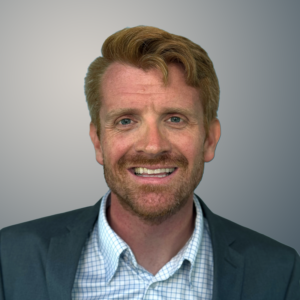
Michael Graif is a technology risk and internal audit leader with more than 10 years of experience in audit, risk, and technology. A former digital innovation and web development professional, he now oversees the Technology Risk Assurance function for C.H. Robinson, a Fortune 500 transportation and logistics company, focusing on AI, automation, cybersecurity, and continuous auditing.